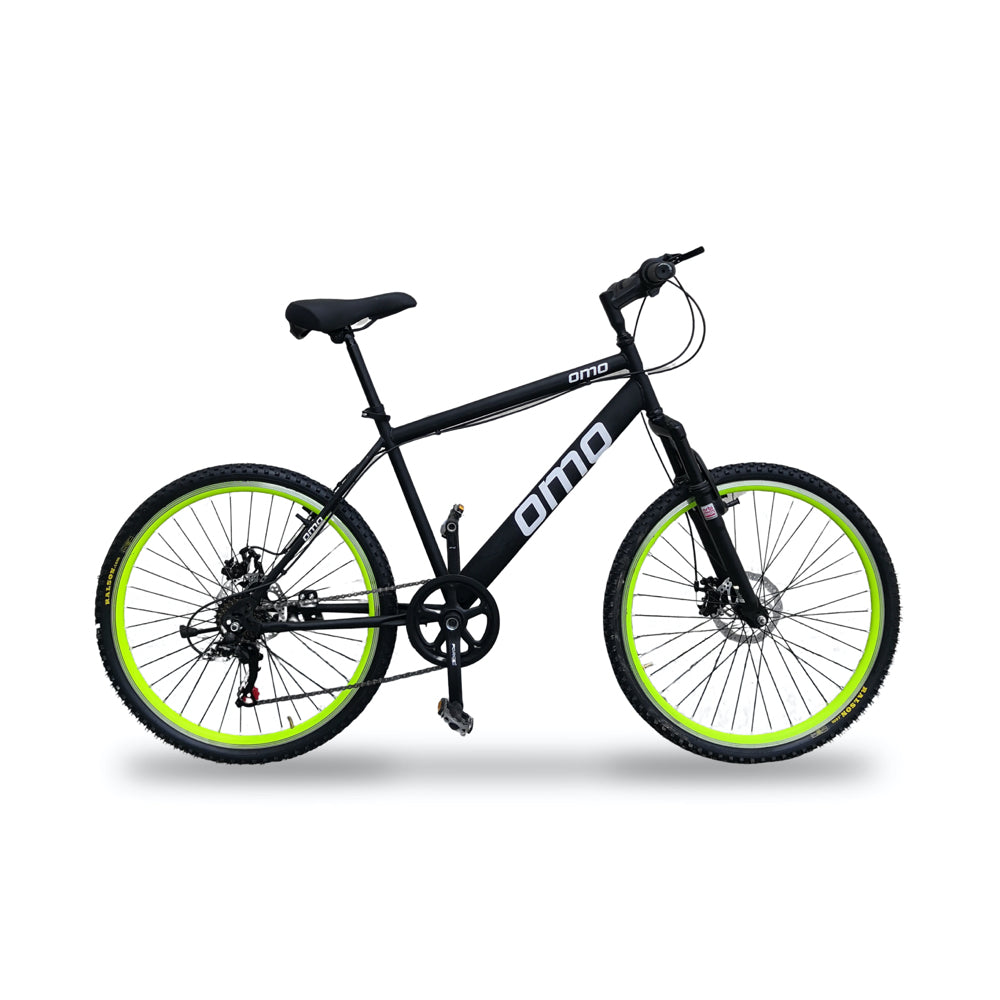

-
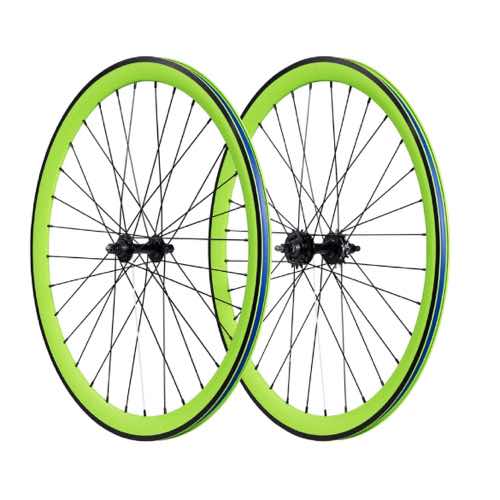
Bicycle Wheel | Front, Rear | 26", 27.5", 29", 700c | Alloy Rim | Multiple Hub Options
Regular price From ₹1,349Regular priceUnit price per₹0Sale price From ₹1,349 -
Bicycle Wheel - 26inch - Alloy
Regular price From ₹1,149Regular priceUnit price per₹0Sale price From ₹1,149 -
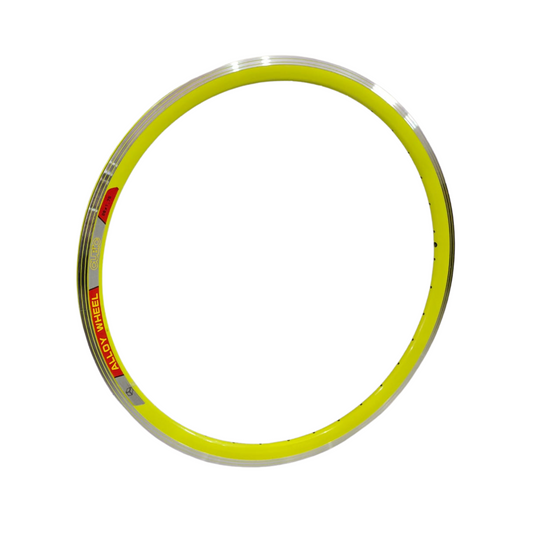
Bicycle Rim 26 Inch - Double Wall Alloy
Regular price ₹499Regular priceUnit price per₹0Sale price ₹499 -
Bicycle Rim- Double Wall Alloy
Regular price From ₹499Regular priceUnit price per₹0Sale price From ₹499 -
Quick Release Skewer for Front & Rear Bicycle Wheel
Regular price ₹150Regular priceUnit price per -
Bicycle Wheel Spokes | 20, 24, 26, 27.5, 29 Inch | MTB Hybrid Road Bike
Regular price ₹89Regular priceUnit price per₹99Sale price ₹89Sale





Explore Bicycles
-

Hybrid Cycles
Hybrid Bicycles Collection Welcome to our comprehensive collection of hybrid bicycles, where...
-
MTB Cycles | Mountain Bikes
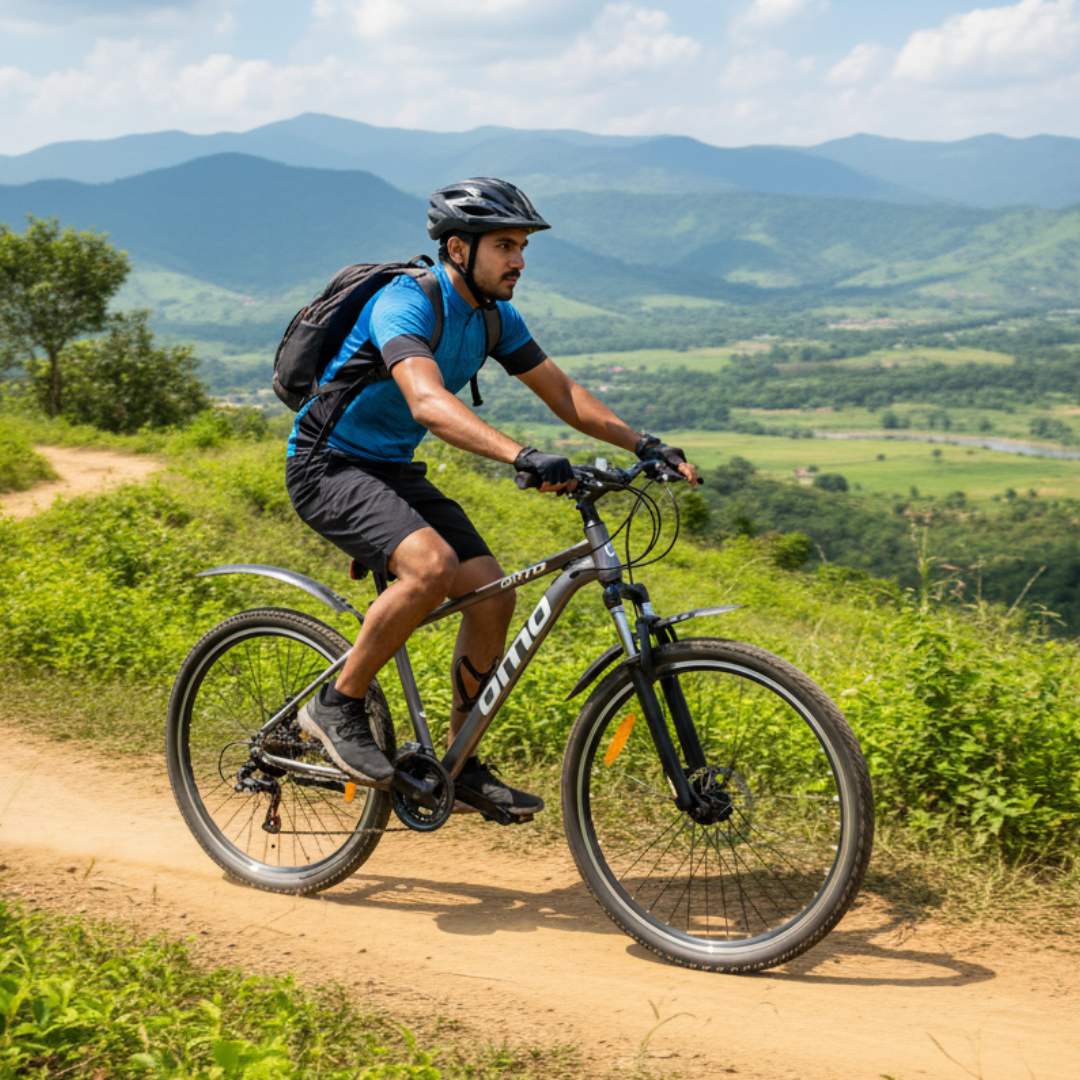
Mountain Bikes Collection – Best MTB Cycles in India Discover premium mountain...
Shop Premium Bicycle Wheels & Rims – Front & Rear | All Sizes
Upgrade your ride with high-performance bicycle wheels and alloy rims engineered for durability, speed, and reliability. Whether you're replacing a damaged wheel, upgrading for better performance, or building a custom bike, our collection of bicycle wheels covers all popular sizes and riding styles.
From mountain bikes to road bikes, hybrids to gravel bikes, we offer complete wheel sets and individual front and rear wheels in 26", 27.5", 29", and 700c sizes with quality alloy rims and multiple hub options to match your bike's specifications.
Available Bicycle Wheel Sizes
26-Inch Bicycle Wheels – Classic MTB Standard
26-inch wheels remain a popular choice for older mountain bikes, kids' bikes, BMX, and certain hybrid models. These wheels offer exceptional strength, quick acceleration, and maneuverability, making them ideal for technical trails and urban riding.
Best for: Older MTBs, kids' bikes, BMX, folding bikes, city cruisers
Key advantages:
- Strong and durable construction
- Lighter weight than larger wheels
- Quick acceleration and responsive handling
- More affordable replacement options
- Better clearance for smaller frames
Our 26" bicycle wheels feature robust alloy rims that withstand rough terrain while maintaining true alignment. Available in both front and rear configurations with compatible hub options.
27.5-Inch Wheels (650b) – Versatile All-Rounder
27.5-inch wheels, also known as 650b, strike the perfect balance between the agility of 26" wheels and the rollover capability of 29" wheels. This size has become the go-to choice for trail bikes, all-mountain riding, and modern hybrid bicycles.
Best for: Trail MTBs, all-mountain bikes, modern hybrids, gravel bikes
Key advantages:
- Balanced performance for climbing and descending
- Better rollover than 26" wheels
- More nimble than 29" wheels
- Ideal for riders of all heights
- Wide tire compatibility
Our 27.5" bicycle wheels combine lightweight alloy rims with precision hubs, delivering smooth performance on varied terrain. Perfect for riders seeking versatility without compromise.
29-Inch Wheels – Maximum Rollover & Efficiency
29-inch wheels, also called 29ers, dominate modern mountain biking with superior rollover capability, increased traction, and enhanced stability at speed. These larger wheels excel on rough terrain, maintaining momentum over obstacles that would slow smaller wheels.
Best for: XC racing, trail riding, marathon MTB, tall riders
Key advantages:
- Superior obstacle rollover
- Increased contact patch for better traction
- Maintains speed efficiently
- More stable at high speeds
- Better for tall riders (5'8" and above)
Our 29" bicycle wheels feature lightweight yet strong alloy rims engineered to handle aggressive riding while minimizing rotational weight. Available with various hub options for different drivetrain setups.
700c Wheels – Road & Gravel Standard
700c wheels are the universal standard for road bikes, gravel bikes, cyclocross, and fitness hybrids. These wheels prioritize speed, efficiency, and aerodynamics while maintaining enough strength for daily riding and light touring.
Best for: Road bikes, gravel bikes, cyclocross, touring bikes, fitness hybrids
Key advantages:
- Optimized for speed and efficiency
- Wide range of tire options (23mm–50mm)
- Aerodynamic rim profiles available
- Lightweight construction
- Standard for road cycling worldwide
Our 700c bicycle wheels feature quality alloy rims suitable for road, gravel, and mixed-surface riding. Choose from front or rear wheels with hub options compatible with rim brakes or disc brakes.
Alloy Rims – Strength Meets Affordability
Why Choose Alloy Rims?
Alloy (aluminum) rims deliver the perfect combination of strength, weight, durability, and value. Unlike carbon rims, alloy rims are more affordable, easier to repair, and provide consistent braking performance in all weather conditions.
Benefits of alloy rims:
- Durability: Resistant to impacts and less prone to catastrophic failure
- Affordability: Excellent performance without premium pricing
- Brake compatibility: Works perfectly with rim brakes and disc brakes
- Heat dissipation: Better heat management during braking
- Repairability: Can be trued and straightened if bent
- Weather performance: Reliable braking in wet conditions
Our alloy rims are manufactured to tight tolerances, ensuring consistent performance and easy tire installation. Double-wall construction provides added strength while keeping weight reasonable.
Rim Width & Profile Options
Modern alloy rims come in various internal widths to accommodate different tire sizes and riding styles. Wider rims support larger tires with better stability and traction, while narrower rims suit traditional road tire sizes.
Our bicycle wheels feature rim widths optimized for their intended use, ensuring proper tire fit and performance across all disciplines.
Hub Options for Every Setup
Understanding Hub Compatibility
Bicycle wheel hubs must match your bike's frame and fork specifications. Key factors include axle type, spacing, brake type, and drivetrain compatibility.
Common hub specifications:
- Axle types: Quick release (QR), thru-axle (12mm, 15mm, 20mm)
- Spacing: Front (100mm, 110mm, 150mm) | Rear (135mm, 142mm, 148mm)
- Brake types: Rim brake, disc brake (6-bolt, centerlock)
- Freehub: Cassette compatible (Shimano/SRAM, Campagnolo, XD)
Our bicycle wheels come with multiple hub options to ensure compatibility with your specific bike setup. Whether you need quick-release wheels for older bikes or modern thru-axle wheels for newer frames, we have options available.
Sealed Bearing vs. Cup & Cone Hubs
Hub quality significantly impacts wheel performance and maintenance requirements. Sealed cartridge bearing hubs offer low maintenance and consistent performance, while cup-and-cone designs allow for precise adjustment and long service life when properly maintained.
Our wheels feature quality hubs with smooth-rolling bearings that withstand regular use and varying weather conditions.
Front vs. Rear Bicycle Wheels
Front Wheels – Steering & Braking
Front bicycle wheels handle steering inputs and often carry a significant portion of braking forces. They must be lightweight for responsive handling while maintaining strength to withstand impacts from road hazards and trail obstacles.
Our front wheels feature precise hub alignment for smooth steering and true rim construction for consistent brake pad contact and reliable performance.
Rear Wheels – Power Transfer & Support
Rear bicycle wheels endure greater stress from pedaling forces, rider weight, and drivetrain tension. They require stronger construction, particularly on the drive side where spoke tension is highest.
Our rear wheels feature reinforced spoke patterns and durable freehub mechanisms that handle the demands of climbing, sprinting, and loaded riding.
Choosing the Right Bicycle Wheel
For Mountain Biking
Choose 27.5" or 29" wheels with wide alloy rims (25mm+ internal width) to support larger tires. Disc brake hubs are essential, and thru-axle compatibility ensures maximum stiffness for aggressive riding.
For Road Cycling
Select 700c wheels with narrower alloy rims (19mm–21mm internal width) for road tires. Look for lightweight construction and choose between rim brake or disc brake hubs based on your frame.
For Gravel & Adventure Riding
Opt for 700c wheels with wider rims (21mm–25mm internal width) to accommodate gravel tires (35mm–50mm). Disc brake hubs provide better performance in muddy conditions.
For Commuting & Hybrid Bikes
Choose 700c or 27.5" wheels depending on your bike's design. Durable alloy rims and sealed bearing hubs minimize maintenance while providing reliable daily performance.
For Older MTBs & Vintage Bikes
Select 26" wheels with quick-release hubs and appropriate brake compatibility (rim or disc). These wheels breathe new life into classic bikes at affordable prices.
Wheel Maintenance & Care Tips
Regular Inspection
- Check spoke tension monthly – loose spokes can lead to wheel failure
- Inspect rims for dents, cracks, or excessive wear
- Verify true alignment by spinning wheel and watching rim movement
- Check tire pressure before every ride
Hub Maintenance
- Clean and lubricate hubs annually or every 2,000km
- Replace worn freehub bodies when you notice skipping under load
- Adjust cup-and-cone bearings if you feel play in the axle
- Keep thru-axles and quick-release skewers clean and properly tensioned
Rim Care
- Clean brake track regularly with rubbing alcohol (rim brakes)
- Inspect for brake pad wear grooves and replace rims when indicators appear
- Avoid impacts with curbs and potholes that can dent rims
- Keep rims clean to prevent premature spoke nipple corrosion
Understanding Wheel Specifications
Spoke Count
More spokes generally mean stronger wheels but slightly more weight. Common spoke counts range from 24-36 spokes. Heavier riders, loaded touring, and mountain biking benefit from higher spoke counts (32-36), while lighter riders and road cycling work well with fewer spokes (24-28).
Rim Depth
Shallow rims (20mm–30mm) are lighter and better for climbing. Deeper rims offer aerodynamic advantages at speed but add weight and can catch crosswinds. Most alloy wheels feature shallow to medium depth for balanced performance.
Weight Considerations
Wheel weight significantly impacts acceleration and climbing performance. Lighter wheels feel more responsive, but durability shouldn't be sacrificed for weight savings. Quality alloy wheels balance weight with strength appropriately for their intended use.
Frequently Asked Questions
Can I mix different wheel sizes on one bike?
No. Front and rear wheels must be the same size for proper handling and geometry. However, tire widths can differ slightly between front and rear.
What's the difference between 27.5" and 650b?
They're the same size. 27.5" is the common mountain bike designation, while 650b is the traditional French sizing designation.
Do I need specific wheels for disc brakes?
Yes. Disc brake wheels have hubs with disc rotor mounts (6-bolt or centerlock) and rims without brake tracks. Rim brake wheels cannot be converted to disc brakes.
How often should bicycle wheels be replaced?
Wheels last several years with proper care. Replace when rims show excessive brake wear, cracks appear, or wheels cannot be trued due to bent rims or broken spokes.
Can I upgrade my 26" bike to 27.5" or 29" wheels?
Usually not without significant modifications. Frame and fork clearances are designed for specific wheel sizes. Consult a bike mechanic before attempting wheel size changes.
Shop Bicycle Wheels & Rims with Confidence
Browse our complete selection of bicycle wheels in 26", 27.5", 29", and 700c sizes. Each wheel features quality alloy rims and reliable hubs with multiple options to ensure proper fit for your bike. Whether you need a replacement wheel or a complete wheelset upgrade, we have the right solution for your riding style and budget.
Upgrade your wheels, upgrade your ride. 🚴♂️
Fast, reliable, and built to last – find your perfect bicycle wheels today.
Customised Bicycles Real Orders
View all-

Fittrip Snyper GT vs Vyper RS - Comparison Revi...
Looking for the best MTB under ₹25,000? This detailed comparison of Fittrip Snyper GT, Fittrip Vyper RS, and OMO Zozila Prime covers every specification — brakes, gears, suspension, wheels, and...
Fittrip Snyper GT vs Vyper RS - Comparison Revi...
Looking for the best MTB under ₹25,000? This detailed comparison of Fittrip Snyper GT, Fittrip Vyper RS, and OMO Zozila Prime covers every specification — brakes, gears, suspension, wheels, and...
-

Build Your Perfect Customised Hybrid Cycle | Pr...
Want to build your perfect bicycle? Learn how to customize your ideal hybrid cycle by selecting premium components from top brands like Shimano, Tektro, and Zoom. This complete guide explains...
Build Your Perfect Customised Hybrid Cycle | Pr...
Want to build your perfect bicycle? Learn how to customize your ideal hybrid cycle by selecting premium components from top brands like Shimano, Tektro, and Zoom. This complete guide explains...
-

Cradiac Alfa Lite vs OMO Zozila Ace: Best MTB U...
Choosing between Cradiac Alfa Lite and OMO Zozila Ace? This detailed comparison covers every specification, feature, and customization option for both MTB models under ₹15,000. Learn which bike offers better...
Cradiac Alfa Lite vs OMO Zozila Ace: Best MTB U...
Choosing between Cradiac Alfa Lite and OMO Zozila Ace? This detailed comparison covers every specification, feature, and customization option for both MTB models under ₹15,000. Learn which bike offers better...


