
-
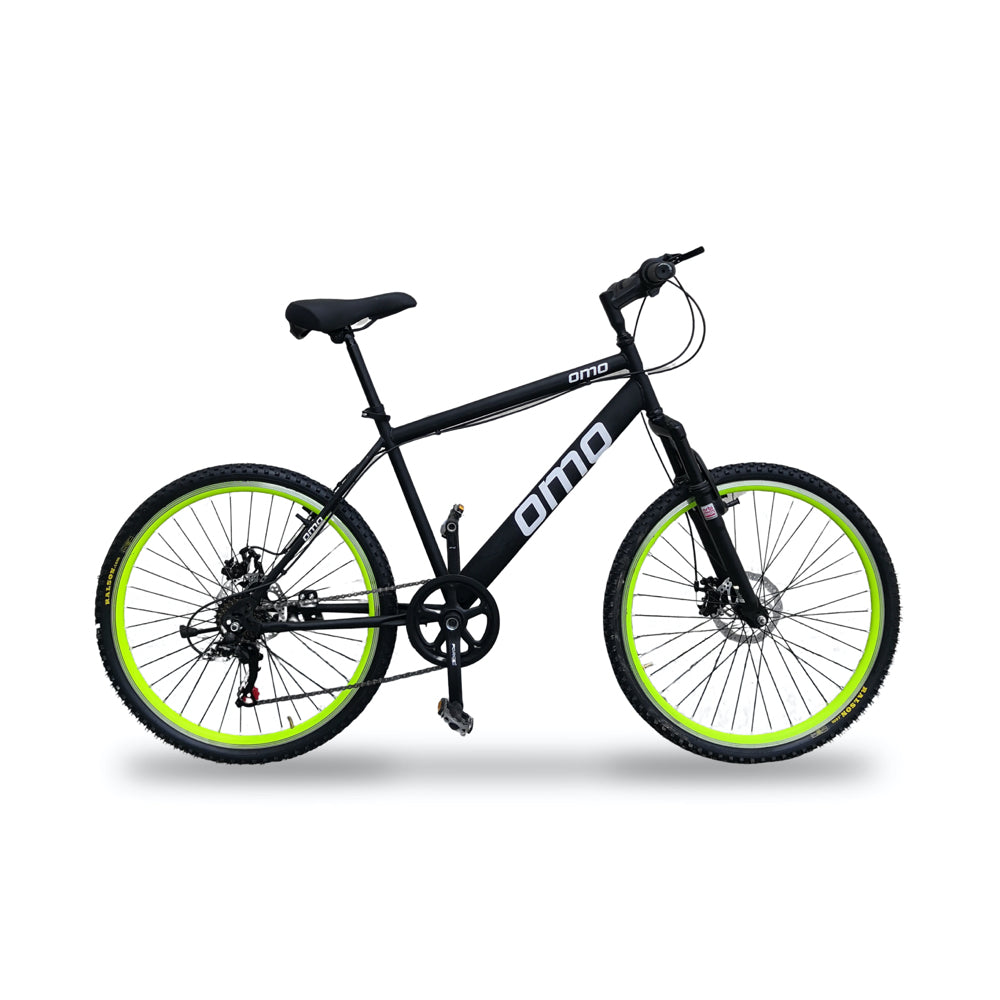
DECATHLON VAN RYSEL EDR AF CLARIS 2x8 | Road Bike
Regular price ₹59,999Regular priceUnit price per -
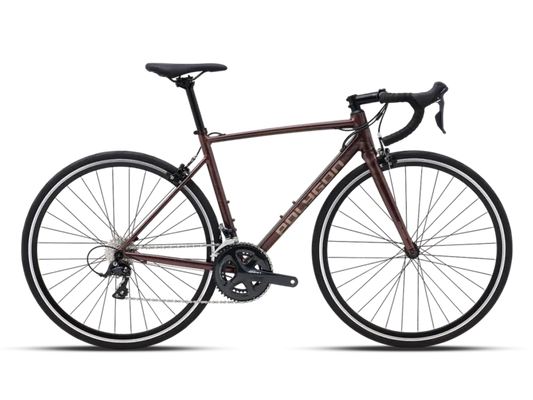
Polygon Strattos S2
Regular price ₹54,990Regular priceUnit price per -
Polygon Strattos S3
Regular price ₹67,990Regular priceUnit price per -
Polygon Strattos S4 Disc
Regular price ₹119,990Regular priceUnit price per -
 Sold out
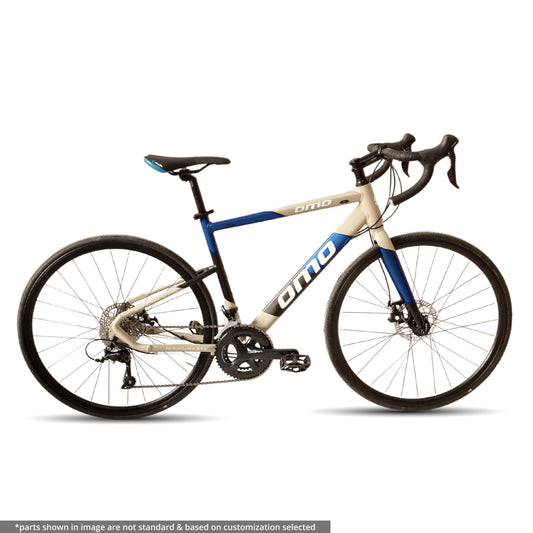
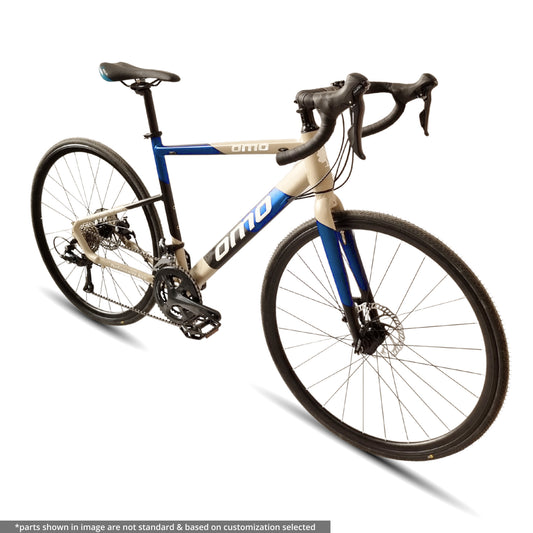
Munnar | Sora 2x9 | Road Bike
Regular price ₹50,999Regular priceUnit price per₹95,700Sale price ₹50,999Sold out




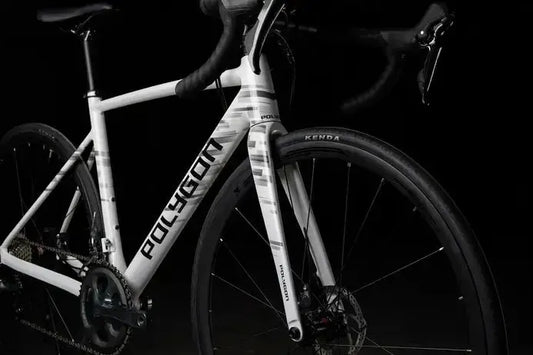
Explore Bicycles
-
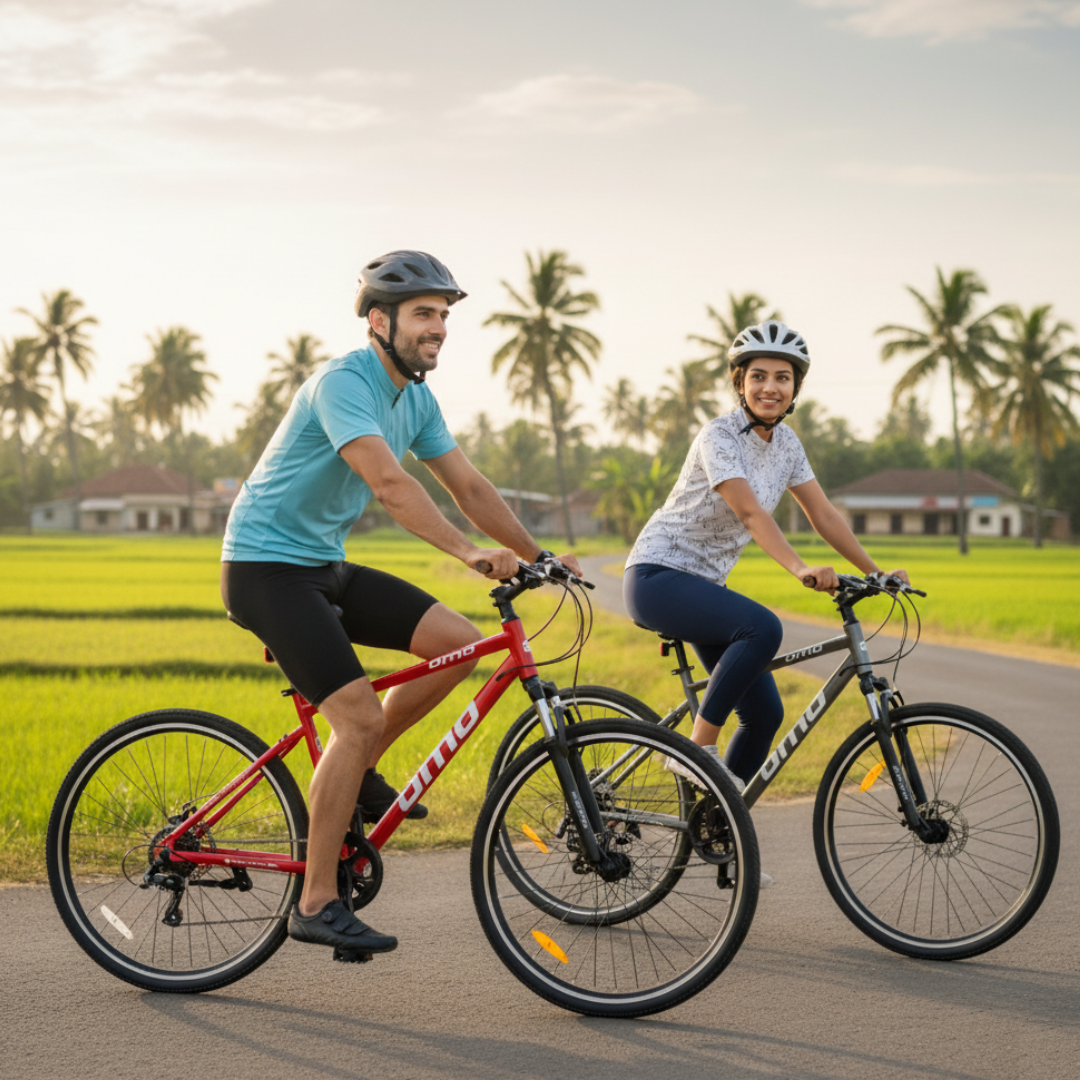
Hybrid Cycles
Hybrid Bicycles Collection Welcome to our comprehensive collection of hybrid bicycles, where...
-
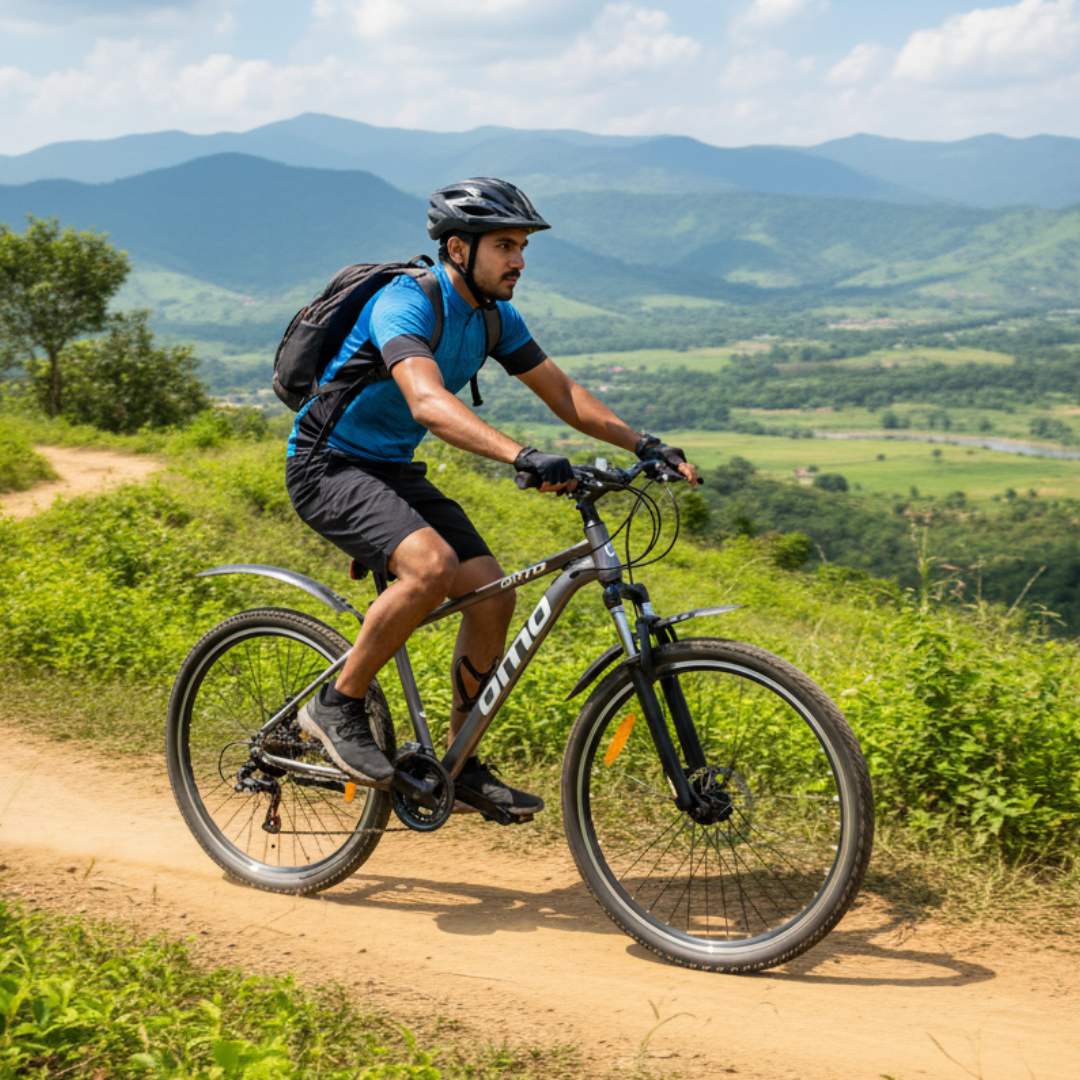
MTB Cycles | Mountain Bikes
Mountain Bikes Collection – Best MTB Cycles in India Discover premium mountain...
Shop Road Bikes & Road Cycling Components
Explore road bikes and road cycling components designed for speed, efficiency, and long-distance comfort. Whether you're building a road racing bicycle, upgrading your existing setup, or preparing for endurance cycling, find the right road bike parts and accessories for your riding needs.
From lightweight carbon and aluminium frames to road bike tyres, handlebars, drivetrains, brakes, and other essential components, discover products suited for road racing, fitness cycling, sportive rides, touring, and competitive events.
Types of Road Bikes & Road Cycling Setups
Road Racing Bikes – Built for Speed & Performance
Road racing bikes are designed for fast riding on paved roads, with lightweight frames, aerodynamic riding positions, and efficient drivetrains. They are ideal for cyclists who want to improve their speed, climb efficiently, and compete in road races.
Best for: Road racing, fast group rides, competitive cycling, and fitness training
Key features:
- Lightweight frames for efficient acceleration and climbing
- Drop handlebars for multiple hand positions
- High-performance tyres and gearing for paved roads
Explore road bike components and upgrades to improve your bicycle's performance, handling, and riding efficiency.
Endurance Road Bikes – Comfort for Long-Distance Riding
Endurance road bikes are designed for longer rides, offering a more relaxed riding position and geometry suited to spending several hours in the saddle. They are a practical choice for cyclists who enjoy weekend rides, long-distance challenges, and sportive events.
Best for: Long rides, endurance cycling, century rides, and recreational road cycling
Key features:
- Comfort-oriented geometry for extended rides
- Stable handling on varied paved roads
- Tyre clearance and gearing options that vary by model
Choose suitable road bike tyres, saddles, handlebars, and gearing to make long rides more comfortable and efficient.
Lightweight Road Bikes – For Climbing & Everyday Training
Lightweight road bikes are popular among cyclists who ride on hilly routes or want a responsive bicycle for regular training. Their combination of low weight, efficient gearing, and narrow tyres makes them well suited to paved roads and climbs.
Best for: Hill climbing, fitness cycling, training, and recreational road riding
Key features:
- Lightweight frame and component options
- Gear ratios suited to the terrain and rider
- Efficient rolling performance on paved surfaces
Aero Road Bikes – Designed to Reduce Wind Resistance
Aero road bikes feature aerodynamic frame shapes and riding positions designed to reduce drag at higher speeds. They are particularly useful for fast road riding, racing, and cyclists who prioritise speed on flat or rolling terrain.
Best for: Road racing, fast group rides, time-efficient training, and speed-focused cycling
Key features:
- Aerodynamic frame and component designs
- Integrated or aero-shaped handlebars on some models
- Performance-focused riding positions
When upgrading an aero road bike, consider compatible handlebars, wheels, tyres, and other components that complement your riding goals.
Triathlon & Ironman Bikes – Built for Time Trials & Endurance Racing
Triathlon bikes and time trial bikes are designed to help athletes maintain an aerodynamic position during the cycling leg of a triathlon or Ironman event. They typically feature aero handlebars or clip-on aerobars, allowing riders to reduce their frontal area and conserve energy over long distances.
Best for: Sprint triathlons, Olympic-distance triathlons, 70.3 Ironman, full-distance Ironman, and individual time trials
Key features and components:
- Aerobars and clip-on extensions – Help achieve an aerodynamic riding position when correctly fitted
- Aero wheels and tyres – Can help reduce aerodynamic drag and rolling resistance
- Efficient gearing – Helps maintain a sustainable cadence over different gradients
- Hydration systems – Support fluid intake during long training sessions and races
For Ironman and long-distance triathlon preparation, prioritise a comfortable, sustainable bike fit, reliable components, and equipment you have tested during training. A well-fitted road bike with clip-on aerobars may also suit some athletes, provided the bicycle and handlebar setup are compatible.
Essential Road Bike Components & Accessories
Drivetrain & Gearing
- Road bike gears and derailleurs – Support smooth gear changes and efficient pedalling
- Cranksets and chainrings – Help match gearing to your riding style and terrain
- Cassettes and chains – Essential components for drivetrain performance and maintenance
- Shifters – Allow convenient gear changes while riding
Wheels & Tyres
- Road bike wheels – Available in different materials, weights, and aerodynamic profiles
- Road bike tyres – Narrower, smoother tyres designed for efficient riding on paved surfaces
- Inner tubes and tubeless accessories – Depend on your wheel and tyre setup
- Wheel hubs and spokes – Important for wheel strength, rolling performance, and maintenance
Brakes & Cockpit Components
- Road bike disc brakes – Available in mechanical and hydraulic configurations
- Rim brakes – Found on many traditional road bikes
- Drop handlebars and stems – Influence handling, reach, and riding position
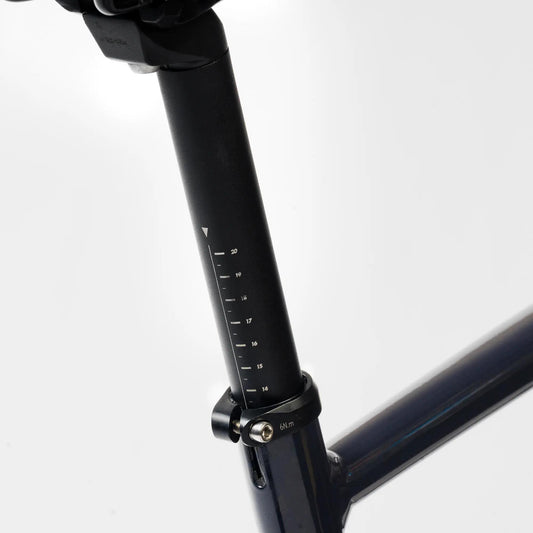
- Road bike saddles and seatposts – Help improve fit and comfort on longer rides
How to Choose the Right Road Bike Setup
For Beginners & Fitness Cycling
Look for a comfortable riding position, reliable gearing, and dependable brakes. An endurance-oriented road bike can be a practical starting point for regular fitness rides and weekend cycling.
For Road Racing & Group Rides
Prioritise efficient gearing, responsive handling, suitable tyres, and a riding position that balances aerodynamics with comfort. Component weight and aerodynamics become more relevant as your speed and riding goals increase.
For Long-Distance Cycling
Choose gearing suitable for your route, comfortable contact points, reliable tyres, and enough carrying capacity for essentials. Test your setup on progressively longer rides before attempting a century ride or endurance event.
For Triathlon & Ironman
Focus on aerodynamic positioning, sustained comfort, hydration access, and reliable performance over long distances. A dedicated triathlon bike or a compatible road bike with clip-on aerobars can work, depending on your goals, fit, and event requirements.
Road Bike vs Mountain Bike – Quick Comparison
| Feature | Road Bike | Mountain Bike |
|---|---|---|
| Primary Use | Paved roads and speed | Trails and off-road riding |
| Tyres | Narrower, smoother tyres | Wider, treaded tyres |
| Handlebars | Usually drop handlebars | Usually flat or riser handlebars |
| Gearing | Optimised for road speed and climbing | Often includes lower gears for steep terrain |
| Suspension | Usually rigid | Often features front or full suspension |
| Best For | Fitness, racing, endurance rides | Trails, rough terrain, technical riding |
Road Bike Tyre Width & Wheel Guide
25–28mm Road Bike Tyres
Common options for performance-oriented road riding. The best width depends on frame clearance, rim compatibility, road conditions, and the desired balance of comfort and rolling efficiency.
30–32mm Road Bike Tyres
Suitable for many modern endurance road bikes, offering additional comfort and versatility on imperfect paved roads when the frame and rims support the chosen tyre size.
32mm and Wider Tyres
Some road, all-road, and endurance bicycles accommodate wider tyres for extra comfort and versatility. Always check the manufacturer's recommended tyre clearance and wheel compatibility.
700c Road Bike Wheels
700c is a widely used road bike wheel size. However, tyre compatibility depends on the wheel's rim dimensions, tyre type, frame clearance, and braking system, not just the wheel diameter.
Road Bike Maintenance Tips
Tyres & Wheels
- Check tyre pressure before long rides and follow the tyre and rim manufacturer's recommendations.
- Inspect tyres for cuts, embedded debris, and excessive wear.
- Check wheel condition and ensure quick-release skewers or thru-axles are securely fitted.
Drivetrain
- Clean and lubricate the chain according to riding conditions.
- Inspect the chain for wear to help protect the cassette and chainrings.
- Check gear shifting and cable or electronic shifting performance regularly.
Brakes
- Inspect brake pads, rotors, or rim-braking surfaces for wear.
- Check brake operation before every long ride.
- Use only the specified fluid and maintenance procedures for hydraulic brakes.
Frequently Asked Questions About Road Bikes
What is a road bike best used for?
Road bikes are designed primarily for paved roads, fitness cycling, fast group rides, road racing, and long-distance cycling.
What is the difference between a road bike and a racing bike?
A road bike is a broad category. Racing road bikes generally prioritise speed, aerodynamics, and responsive handling, while endurance road bikes often focus more on comfort over longer distances.
Can I use a road bike for a triathlon or Ironman?
Yes. A suitable road bike can be used for many triathlon events. Clip-on aerobars may be an option if the handlebars and bicycle manufacturer permit their use and the setup fits the rider properly. Check event regulations before racing.
What is the difference between a triathlon bike and a road bike?
Triathlon bikes are designed around an aerodynamic time-trial position and often have specialised frames, handlebars, and hydration arrangements. Road bikes are generally more versatile for group rides, climbing, and everyday road cycling.
Are wider road bike tyres better?
Wider tyres can improve comfort and grip on rougher paved roads, depending on tyre construction and pressure. The right size depends on frame clearance, rim compatibility, riding conditions, and personal preference.
How often should I service my road bike?
Check your tyres, brakes, and drivetrain regularly. Cleaning, lubrication, and professional servicing frequency depend on mileage, weather, riding conditions, and component wear.
Can I upgrade my road bike components?
Yes, many components can be upgraded, including tyres, wheels, handlebars, saddles, brakes, and drivetrain parts. Check compatibility with your frame, wheel standards, gearing, and braking system before purchasing.
Ride faster, ride farther, and build your ideal road cycling setup.
Explore our range of road bike components, tyres, wheels, drivetrain parts, brakes, and accessories for road racing, endurance cycling, and triathlon training.
```
Customised Bicycles Real Orders
View all-

Fittrip Snyper GT vs Vyper RS - Comparison Revi...
Looking for the best MTB under ₹25,000? This detailed comparison of Fittrip Snyper GT, Fittrip Vyper RS, and OMO Zozila Prime covers every specification — brakes, gears, suspension, wheels, and...
Fittrip Snyper GT vs Vyper RS - Comparison Revi...
Looking for the best MTB under ₹25,000? This detailed comparison of Fittrip Snyper GT, Fittrip Vyper RS, and OMO Zozila Prime covers every specification — brakes, gears, suspension, wheels, and...
-

Build Your Perfect Customised Hybrid Cycle | Pr...
Want to build your perfect bicycle? Learn how to customize your ideal hybrid cycle by selecting premium components from top brands like Shimano, Tektro, and Zoom. This complete guide explains...
Build Your Perfect Customised Hybrid Cycle | Pr...
Want to build your perfect bicycle? Learn how to customize your ideal hybrid cycle by selecting premium components from top brands like Shimano, Tektro, and Zoom. This complete guide explains...
-

Cradiac Alfa Lite vs OMO Zozila Ace: Best MTB U...
Choosing between Cradiac Alfa Lite and OMO Zozila Ace? This detailed comparison covers every specification, feature, and customization option for both MTB models under ₹15,000. Learn which bike offers better...
Cradiac Alfa Lite vs OMO Zozila Ace: Best MTB U...
Choosing between Cradiac Alfa Lite and OMO Zozila Ace? This detailed comparison covers every specification, feature, and customization option for both MTB models under ₹15,000. Learn which bike offers better...


