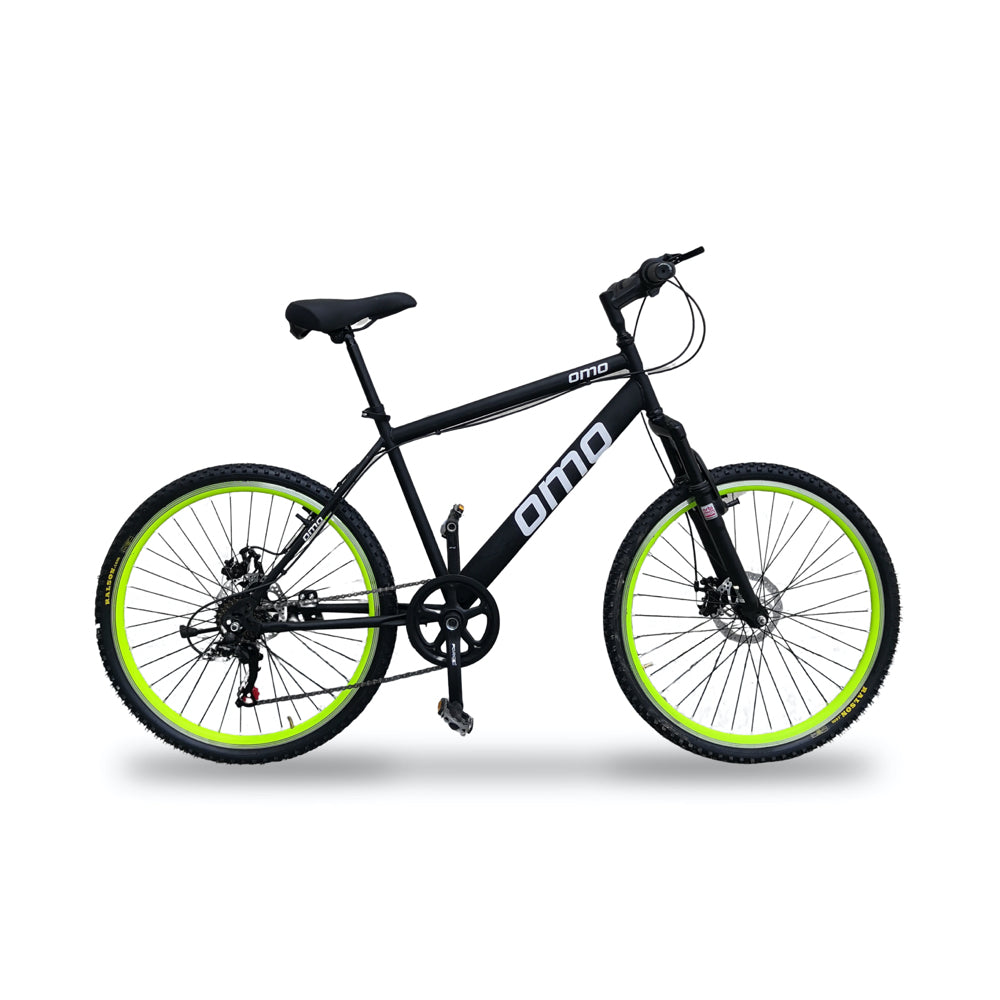

Steel vs Alloy Bicycle Frame: Which Is Better for Your Bicycle?
OMO BikesShare
When choosing a bicycle, the frame is one of the most important components to consider. It affects the bicycle's weight, strength, durability, comfort, handling and overall riding experience.
Two of the most common frame materials are steel and aluminium alloy. Both can be excellent choices, but they have different characteristics.
If you are buying a complete bicycle, upgrading your current bicycle or planning a custom build, understanding the difference between steel and alloy frames can help you make a better decision.
Steel vs Alloy Frame: Quick Comparison
| Feature | Steel Frame | Aluminium Alloy Frame |
|---|---|---|
| Weight | Generally heavier | Generally lighter |
| Strength | Strong and highly durable | Strong and rigid |
| Ride feel | More forgiving and comfortable | Stiffer and more responsive |
| Corrosion | Can rust if not protected | Better resistance to corrosion |
| Repairability | Generally easier to repair | Requires more specialised repair |
| Price | Often economical | Available across a wide price range |
| Best suited for | Durability, touring, heavy use | Fitness, city riding, MTB and performance |
There is no single winner between steel and alloy.
The better material depends on where you ride, how you ride, your budget, your body weight and whether you are buying a complete bicycle or building one from scratch.
Steel Frame: Advantages and Disadvantages
Steel has been used for bicycle frames for decades and remains a popular choice because of its durability and relatively simple construction.
A good steel frame can handle regular use, rough roads and heavy loads. Steel also has a certain amount of natural flex, which can make the ride feel more comfortable on uneven roads.
Advantages of Steel Frames
1. Strong and durable
Steel is known for its strength and ability to withstand regular use. This makes it suitable for riders who prioritise durability over minimum weight.
2. Comfortable ride
Steel can provide a slightly more forgiving ride because the frame can absorb some road vibration and flex under load.
3. Good for heavy-duty use
For touring, commuting with luggage or applications where durability is more important than weight, steel can be a practical choice.
4. Easier to repair
Depending on the type of damage and the type of steel used, steel frames can often be repaired by a suitable fabricator or frame builder.
Disadvantages of Steel Frames
The biggest disadvantage is weight. A steel frame will generally be heavier than a comparable aluminium alloy frame.
Steel can also be susceptible to rust if its protective coating is damaged and moisture reaches the metal. Regular inspection and care are therefore important.
Aluminium Alloy Frame: Advantages and Disadvantages
Aluminium alloy has become extremely popular in modern bicycles because it allows manufacturers to produce relatively lightweight and rigid frames at a reasonable cost.
You can explore OMO bicycle frames if you are looking for a frame for a new bicycle or custom build.
Advantages of Alloy Frames
1. Lower weight
One of the biggest reasons riders choose alloy is its relatively low weight. A lighter bicycle can feel easier to accelerate, handle and carry.
2. Stiff and responsive
Aluminium alloy frames are generally stiff, which can provide a direct and responsive riding experience.
3. Good corrosion resistance
Unlike conventional steel, aluminium alloy does not rust in the same way. This makes it convenient for riders who regularly ride in humid or wet conditions.
4. Excellent all-round option
For city riding, fitness cycling, commuting and many MTB applications, aluminium alloy provides a good balance between weight, strength and price.
Disadvantages of Alloy Frames
The stiffness that makes alloy responsive can also make some bicycles feel less forgiving on rough roads, particularly when combined with rigid forks and tyres with high pressure.
Aluminium frames can also be more difficult to repair correctly after serious structural damage. A specialised repair facility may be required.
6061 Alloy, 1030 Steel: What Do These Numbers Actually Mean?
You may have noticed bicycle brands using terms such as 6061 alloy, 6061 aluminium or 1030 steel in their product descriptions. These numbers can make the frame sound more complicated than it actually is.
6061 aluminium alloy is a commonly used aluminium alloy for bicycle frames. So when a bicycle is advertised as having a 6061 alloy frame, it is essentially telling you that the bicycle has an aluminium alloy frame made using the 6061 alloy grade.
Similarly, 1030 steel refers to a particular carbon-steel grade. For a normal bicycle buyer, the important point is that it is still a steel frame.
These specifications can tell you more about the particular material being used, but they should not be treated as the only measure of bicycle quality. Frame design, tube thickness, geometry, welding, manufacturing quality and the components used on the bicycle also matter.
Steel vs Alloy: Weight, Strength and Durability
When comparing the two materials, it is important not to think simply in terms of "steel is stronger" or "alloy is weaker."
A bicycle frame's real-world performance depends on much more than the material itself. Tube design, thickness, geometry, manufacturing quality and frame construction all matter.
Weight
In general, aluminium alloy has an advantage when low weight is important.
This is one reason alloy frames are common on fitness bicycles, hybrid bicycles and mountain bikes.
Steel frames tend to be heavier, but the additional weight may be a worthwhile trade-off for riders who prioritise durability, comfort or carrying capacity.
Strength
Both materials can produce strong bicycle frames when properly designed and manufactured.
The question should therefore be: What type of riding is the frame designed for?
A well-designed frame made from either material can provide years of reliable use.
Durability
Steel can be extremely durable, particularly when properly maintained. Aluminium alloy also has good long-term durability, although the way each material behaves under repeated loading is different.
For most everyday riders, frame design and manufacturing quality are more important than simply choosing steel or alloy.
Which Frame Is Better for City Riding?
For everyday city riding, aluminium alloy is usually the more practical choice for riders who want a lighter and more responsive bicycle.
A lighter bicycle can be easier to move through traffic, carry up stairs and store at home.
However, steel can still be an excellent choice if your priority is durability, comfort or carrying heavier loads.
For most recreational city and fitness riders:
- Alloy: lighter and more responsive
- Steel: durable and comfortable
Which Frame Is Better for MTB and Trail Riding?
For mountain biking, aluminium alloy is a very common choice.
The relatively low weight and rigid construction can make an alloy MTB feel responsive when climbing, accelerating and changing direction.
However, the frame material alone does not determine whether a bicycle is suitable for trails.
Suspension, tyres, wheels, brakes, frame geometry and overall construction are equally important.
For casual off-road riding, either material can work well. For performance-oriented MTB riding, aluminium alloy is often the more attractive option because of its weight and stiffness.
Steel vs Alloy for a Custom Bicycle Build
If you are planning a custom bicycle, the choice becomes even more important because you can select the frame first and then build the rest of the bicycle around it.
A steel frame can be a good choice if you want:
- A durable touring or commuting bicycle
- A comfortable ride
- A bicycle designed to carry additional luggage
- A traditional frame feel
- A frame that can potentially be repaired locally
An alloy frame can be a better choice if you want:
- A lighter bicycle
- A responsive riding experience
- A fitness or performance-oriented build
- A modern MTB or hybrid setup
- Lower overall bicycle weight
Which Frame Is Better for Heavy Riders?
Rider weight should not be judged by frame material alone.
A bicycle's maximum recommended rider weight depends on the complete bicycle system, including the frame, fork, wheels, tyres, seat post and other components.
A heavy rider should therefore check the manufacturer's recommended weight limit before buying.
It is also important to choose appropriate wheels and tyres because these components carry a significant portion of the rider's weight.
For a heavier rider, a properly specified steel bicycle can be a good option, but a suitably designed alloy bicycle can also work well.
The correct specification matters more than simply choosing steel over alloy.
Steel vs Alloy: Maintenance and Long-Term Ownership
Both types of frames require basic maintenance.
Steel
The main concern is corrosion. Inspect the frame periodically for scratches, exposed metal and areas where water may accumulate.
If the protective coating is damaged, repairing the coating can help prevent corrosion.
Alloy
Aluminium alloy does not develop conventional rust like steel, but that does not mean an alloy frame requires no maintenance.
Check regularly for cracks, dents or other structural damage, particularly after an accident or hard impact.
For both materials, keep the bicycle clean, check bolts and components regularly and address any structural damage before continuing to ride.
Steel vs Alloy: Which One Should You Buy?
The simplest way to decide is to start with your riding requirements rather than the material.
Choose steel if you prioritise:
- Durability
- Comfort
- Heavy-duty use
- Touring or carrying luggage
- Traditional bicycle construction
Choose aluminium alloy if you prioritise:
- Lower weight
- Responsive handling
- Fitness riding
- City commuting
- MTB and recreational performance
Your budget also matters.
Final Verdict: Steel or Alloy?
There is no universal winner.
Steel is an excellent choice when durability, comfort and heavy-duty use are your priorities. Aluminium alloy is usually the better choice when lower weight, responsiveness and modern bicycle performance are more important.
For most everyday city, fitness and recreational riders, a well-designed aluminium alloy bicycle offers an excellent balance of weight, strength and practicality.
For touring, heavy-duty use or riders who prefer the ride characteristics of steel, a good steel frame can be an equally sensible choice.
Ultimately, don't choose a bicycle based only on the frame material. Consider the frame geometry, bicycle type, wheels, tyres, brakes, suspension, components, rider weight and intended use as a complete package.