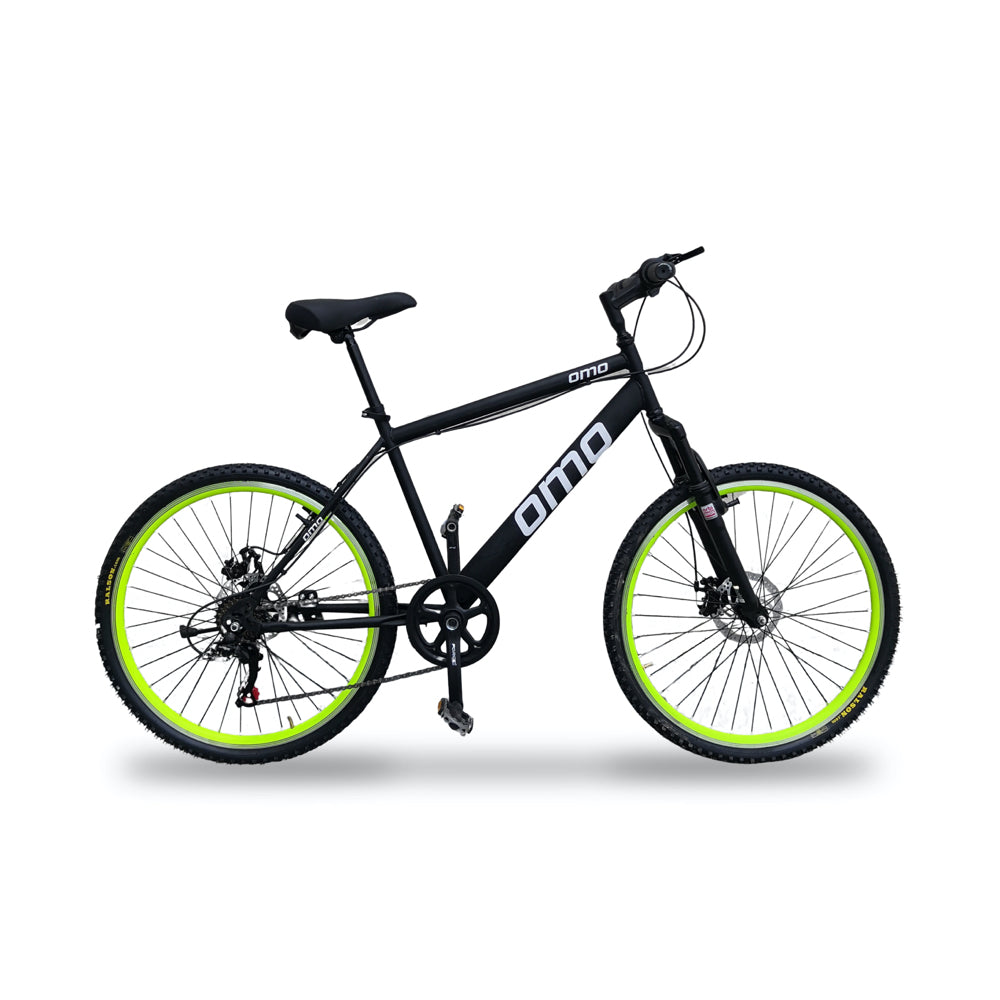

Steel vs Alloy Bicycle Frame: Is an Alloy Frame Worth ₹3,000 Extra?
OMO BikesWhen buying a bicycle for ₹15,000–₹25,000, one question often comes up: Should you choose a steel frame or pay extra for an alloy frame?
The price difference between two otherwise comparable bicycles can be around ₹2,000–₹3,000, depending on the brand and model. But what do you actually get for that extra money? Is an alloy frame worth the additional cost, or would you be better off spending the money on other components?
In this guide, we compare steel vs alloy bicycle frames, their advantages, limitations and the factors you should consider before buying.
Steel vs Alloy Frame: Quick Comparison
| Feature | Steel Frame | Aluminium Alloy Frame |
|---|---|---|
| Weight | Generally heavier for comparable designs | Generally lighter |
| Corrosion resistance | Can rust if protection is compromised | Generally more corrosion-resistant |
| Finish | Depends on design and paintwork | Depends on design and finish |
| Strength | Depends on material and construction | Depends on material and construction |
| Price | Depends on the bicycle and brand | May cost more for a comparable bicycle |
Neither material is automatically better in every situation. The right choice depends on the specific frame, your budget and how you intend to use your bicycle.
1. How Much Extra Does an Alloy Bicycle Frame Cost?
For bicycles in the affordable segment, an alloy-frame version may cost approximately ₹2,000–₹3,000 more than a comparable steel-frame version.
This is an indicative estimate, not a fixed price difference. Actual pricing depends on the brand, model, frame design and other specifications.
It is also important to distinguish between a complete bicycle and a replacement frame. The cost difference between two complete bicycles includes more than the frame alone, whereas replacement-frame prices relate to the frame as a separate component.
If you want to compare available frame options, explore the OMO Bikes bicycle frames collection, which includes steel and aluminium alloy frames.
2. What Do You Get for the Extra ₹2,000–₹3,000?
Benefit 1: Lower Weight
One of the main reasons to consider an aluminium alloy frame is its lower weight.
For comparable entry-level frames, an alloy frame may weigh approximately 700–800 grams less than a steel frame. This is an estimate, not a guaranteed difference between every pair of frames.
The actual weight saving depends on the frame's size, design, tubing and construction.
A lighter frame can make a bicycle easier to lift and carry. However, the frame is only one part of the complete bicycle. Wheels, tyres, suspension and other components also contribute to overall weight.
Therefore, compare the complete bicycle's specifications instead of assuming that every alloy bicycle will be lighter than every steel bicycle.

Benefit 2: Better Resistance to Rust
Steel frames can rust when the metal is exposed to moisture and its protective coating is damaged or inadequate.
Aluminium alloy offers better resistance to corrosion under normal conditions because aluminium naturally forms a protective oxide layer.
However, alloy frames are not completely immune to corrosion. Their condition still depends on the environment, surface condition and maintenance.
If you want to reduce concerns about frame rust, an aluminium alloy frame can be a practical option.

Benefit 3: Frame Finish and Appearance
Alloy frames can feature modern tube shapes and different surface finishes. Depending on the design and paintwork, they may offer an appearance that some buyers prefer.
However, finish quality depends on manufacturing and finishing processes, not simply on whether the frame is steel or alloy.
A well-finished steel frame can look excellent, too. Compare the actual bicycle rather than choosing solely on the basis of material.
3. Are There Any Disadvantages to Alloy Frames?
Steel and aluminium alloy have different mechanical properties, and their performance depends on how the frame is designed and manufactured.
It would be inaccurate to claim that every alloy frame is weaker than every steel frame. Material grade, tubing dimensions, frame geometry, joints and manufacturing quality all affect strength and durability.
If you are a heavier rider, check the manufacturer's specified rider-weight or maximum system-weight guidance, as applicable. Also consider the type of riding you plan to do.
For everyday commuting and recreational riding, choose a bicycle designed for those uses. If you intend to ride demanding trails, perform jumps or attempt stunts, check that the bicycle is specifically suitable for that type of riding.
The important point is to evaluate the quality and intended use of the particular frame, rather than judging it by material alone.
4. Is a Steel Frame More Comfortable?
Steel frames are often associated with a more forgiving ride, but comfort depends on more than frame material.
Frame geometry, tubing design, tyres, tyre pressure and the fork all influence the riding experience.
A steel frame may provide a ride feel that some cyclists prefer. However, it is not accurate to assume that every steel bicycle will be more comfortable than every alloy bicycle.
In this price range, the difference may not be noticeable to every rider. Consider the complete bicycle and your riding conditions before making a decision.
5. Which Bicycle Should You Buy Within Your Budget?
The frame is important, but it is only one part of your bicycle.
Brakes, suspension, drivetrain, wheels and tyres also affect how the bicycle performs. When working with a fixed budget, spending more on one feature may leave less money for other components.
Here is how you can start exploring your options:
-
Looking for a bicycle on a tighter budget? Browse bicycles under ₹15,000 and compare the frame material and specifications of individual models.
-
Looking for a geared bicycle at a higher budget? Explore bicycles under ₹20,000 and compare the available models, components and frame specifications.
-
Want to compare replacement frames? Visit the OMO Bikes bicycle frames collection to explore available steel and alloy options.
These collections are starting points for comparing products. Check each product's specifications to confirm its frame material, components, size and suitability for your needs.
6. Is an Alloy Frame Worth ₹2,000–₹3,000 Extra?
There is no universal answer.
An alloy frame may justify the additional cost if you value lower weight, better resistance to corrosion and the finish of the particular frame.
A steel frame can also be a sensible choice if its weight, design and specifications suit your needs.
Before deciding, ask yourself three questions:
-
Is reducing the bicycle's weight important to me?
-
Do I want the additional corrosion resistance of an alloy frame?
-
Would spending the extra money on another component be more useful for my riding needs?
Your answers will help you decide whether the extra cost is worthwhile.
Conclusion: Steel vs Alloy Bicycle Frames
When comparing steel vs alloy bicycle frames, the decision is not simply about choosing the more expensive material.
An alloy frame can offer lower weight and better corrosion resistance, while steel remains a valid option for many everyday cyclists. The actual advantages depend on the particular frames being compared.
If you are shopping in the ₹15,000–₹25,000 range, compare the specifications, overall bicycle weight, intended use and manufacturer's recommendations before making a decision.
The best bicycle is not necessarily the one with the most expensive frame. It is the one that offers the features you actually need within your budget.
Disclaimer: Prices and weight differences mentioned in this article are approximate and may vary by brand, model, frame size and construction. Product availability and prices may change. Always check the current product listing and manufacturer's specifications before purchasing.